Description
Duration: 2 Days
*This course is also available for in-house sessions.
Course Overview:
This course builds upon fundamental cloud computing concepts, focusing on cloud infrastructure, security, and multi-cloud strategies. Participants will explore hybrid cloud models, cloud automation, and best practices for cloud deployment.
Learning Outcomes:
By the end of the course, participants will be able to:
- Configure and manage cloud computing environments.
- Deploy applications using cloud platforms (AWS, Azure, Google Cloud).
- Optimize cloud security through identity management and encryption.
- Implement multi-cloud and hybrid cloud strategies.
- Monitor and troubleshoot cloud workloads effectively
Target Audience:
This course is designed for:
- IT professionals and system administrators managing cloud services.
- Cloud engineers and DevOps teams.
- Business leaders implementing cloud-based solutions.
Training Methodology:
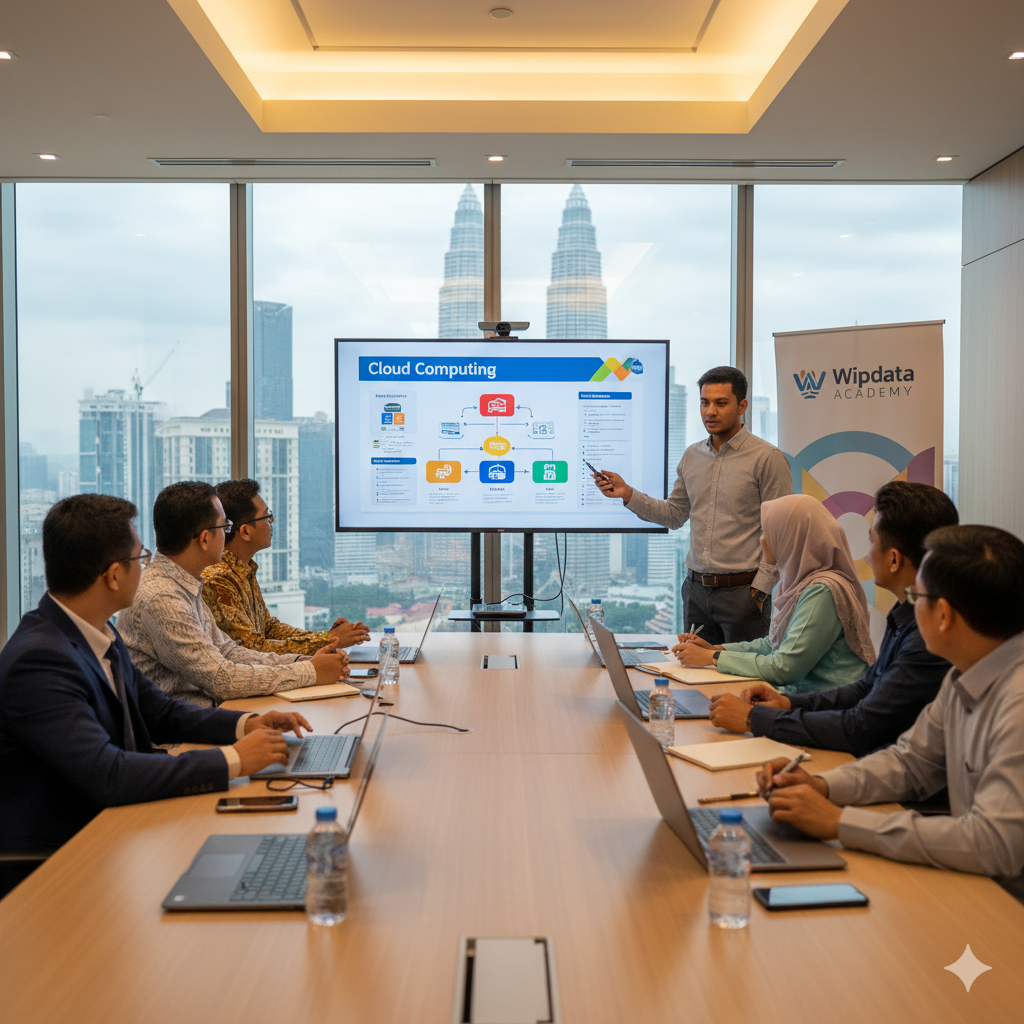
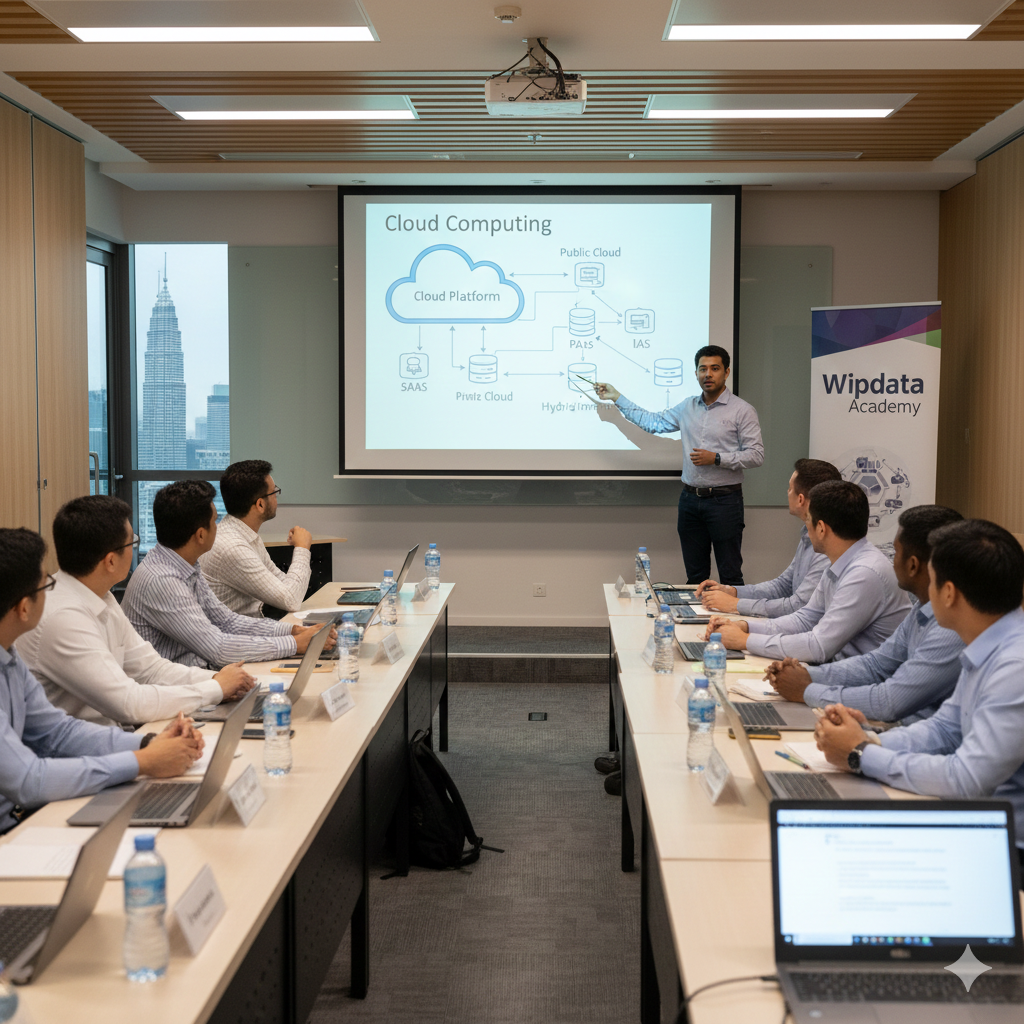
Instructor-led Training: Delivered through a combination of
- Interactive instructor-led presentations.
- Real-world examples and case studies.
- Step-by-step guide to ensure that participants can replicate the tasks on their own.
- Demonstration and hands-on exercises to reinforce active learning.
- Interactive Q&A sessions to ensure concept understanding.
Course Modules
Module 1: Cloud Infrastructure and Deployment Models
- Public, private, and hybrid cloud architectures.
- Cloud service models (IaaS, PaaS, SaaS).
- Virtualization and containerization (Docker, Kubernetes).
Hands-on Practice:
- Deploy a virtual machine and containerized application in a cloud environment.
Module 2: Cloud Security and Identity Management
- Cloud security best practices and encryption techniques.
- IAM (Identity and Access Management) and multi-factor authentication.
Hands-on Practice:
- Configure IAM roles and policies in AWS/Azure.
Module 3: Multi-Cloud & Hybrid Cloud Strategies
- Benefits of multi-cloud adoption and vendor lock-in challenges.
- Hybrid cloud solutions for seamless data integration.
Hands-on Practice:
- Implement cross-cloud data synchronization.
Module 4: Cloud Automation & Cost Optimization
- Using Terraform and Ansible for cloud automation.
- Monitoring tools (AWS CloudWatch, Azure Monitor, Google Cloud Operations).
Hands-on Practice:
- Set up cloud automation scripts to optimize cloud usage.
Final Q&A and Certification of Completion